Introduction to the Puma
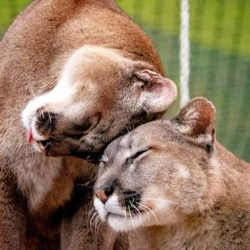
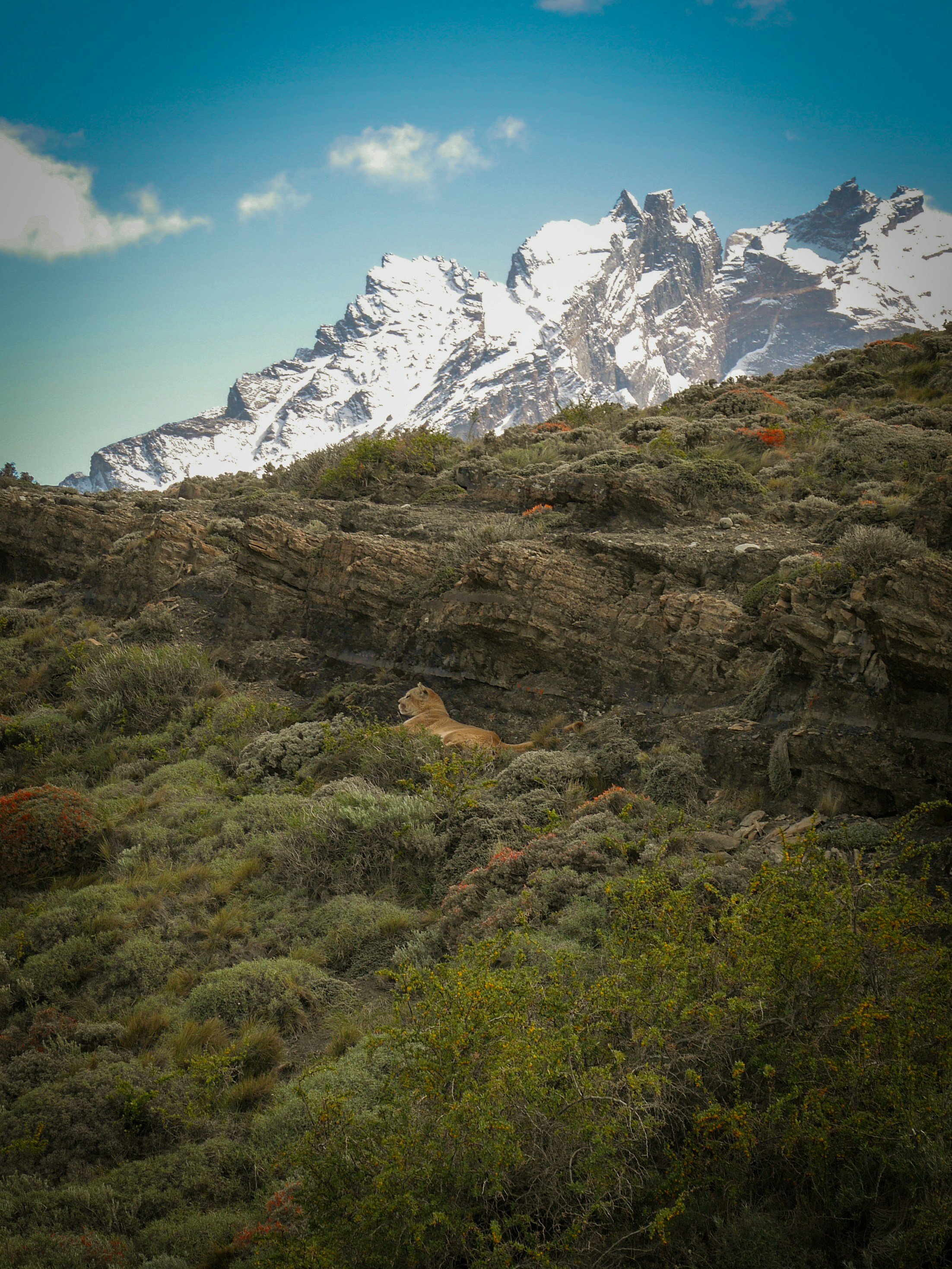
The puma, also known as the cougar or mountain lion, is an incredible wild feline that roams through various terrains across the Americas. These magnificent creatures have adapted to a wide range of habitats, from the snowy mountains of the Rockies to the arid deserts of the Southwest. Their remarkable agility and stealth make them one of the top predators in the wild.
The Life Cycle of the Puma
The life cycle of the puma involves unique behaviors that contribute to their survival. Typically solitary, pumas establish their own territories that can extend over large distances. They communicate through a series of vocalizations, not only to assert dominance but also during mating periods. Female pumas usually give birth to two to four cubs, which remain with their mother for up to two years to learn vital survival skills.
Challenges Faced by the Puma
Despite their prowess, pumas face significant threats due to habitat loss and human encroachment. As urban areas expand, pumas are forced to adapt or move closer to populated regions, leading to conflicts and a decrease in their natural prey. Conservation efforts are underway to ensure the protection of the puma’s habitat and maintain ecological balance. These efforts are crucial for preserving their striking presence in the wild and the overall health of the ecosystems they inhabit.