Introduction to the Black Panther
The black panther, a term often used to describe melanistic variations of large cats such as leopards (Panthera pardus) and jaguars (Panthera onca), stands as a fascinating symbol within the animal kingdom. Characterized by its deep black coat, the creature captures the imagination and instills a sense of intrigue. This unique coloration is due to a genetic condition known as melanism, which results in an abundance of dark pigmentation.
Black panthers can be primarily found in tropical and subtropical regions, making their habitat expansive yet varied. From the dense jungles of Southeast Asia to the rainforests of South America, these elusive felines thrive in environments that offer ample cover and prey. They are primarily solitary animals, showcasing remarkable adaptations that allow them to become proficient hunters, often stalking their prey with stealth and precision.
Not only is the black panther unique in its biological attributes, but it also holds a significant place in various cultural narratives. Across different societies, they symbolize power, mystery, and beauty. For instance, in many African cultures, the black panther is revered as a guardian spirit and represents strength and bravery. In South American traditions, these powerful creatures are often associated with the jaguar god, embodying ferocity and protection.
As we delve deeper into the life and characteristics of the black panther, we will uncover more about this extraordinary animal’s biology, habitat preferences, and its enduring symbolism in different cultures. Through understanding the black panther’s unique traits and significance, we appreciate not just its place in nature but also its impact on human culture and mythology.
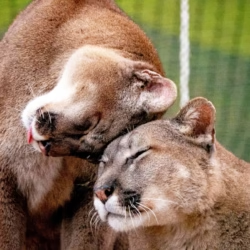
The Rare Paired Image: Significance and Context
The paired image of black panthers is particularly striking, showcasing not only the beauty of these elusive creatures but also unveiling the circumstances that led to its capture. The moment was documented by acclaimed wildlife photographer Alex Jennings, who has dedicated over two decades to photographing endangered species. Jennings’ extensive experience with Africa’s fauna and his profound understanding of animal behavior played a pivotal role in this remarkable achievement.
The photograph was taken during a rare confluence of events—a chance nighttime encounter in a remote part of the Madagascar rainforest where black panthers are known to inhabit. The dense canopy and low-light conditions posed a challenge, requiring Jennings to employ advanced photography techniques, including the use of high-sensitivity cameras coupled with specialized infrared filters to achieve clarity. This meticulous attention to technical detail allows the viewer to appreciate not just the elegance of the panthers but also the skill involved in capturing such an image under less-than-ideal circumstances.
Moreover, the story behind this image is as captivating as the sight itself. Jennings spent several weeks observing the habitat and behavior of black panthers to establish a degree of trust and understanding before the fortunate moment occurred. Their rare occurrence in nature, paired with Jennings’ dedication, emphasizes the fragility of their existence and the importance of wildlife preservation. As the black panthers moved gracefully through the shadows, Jennings was able to freeze an ephemeral moment in time, allowing future generations to connect with these magnificent creatures through his lens. This image serves as not only a testament to wildlife photography but also as a poignant reminder of our responsibility to protect such majestic beings and their habitats for years to come.
The Cultural and Environmental Impact of the Black Panther
The black panther, often regarded as a symbol of strength and mystery, has significant cultural relevance across various societies. In folklore, this majestic creature is frequently depicted as a guardian spirit, representing courage and protection. Many Indigenous cultures have woven the black panther into their myths, attributing it various magical and spiritual qualities. In modern media, the black panther has garnered substantial attention, notably through comic books and cinematic portrayals. The iconic Marvel character, T’Challa, also known as Black Panther, has further popularized this enigmatic feline, illustrating its role as a hero and leader in the fictional nation of Wakanda, which has resonated with audiences worldwide.
Moreover, the representation of the black panther in art has transcended traditional boundaries, inspiring artists to explore themes of identity, resilience, and social justice. The visual power of the black panther captures the imagination, making it a compelling subject for various art forms. This cultural significance is complemented by the creature’s ecological role, as it plays a pivotal part in maintaining the balance within its habitat.
From an environmental perspective, black panthers, more accurately referred to as melanistic leopards or jaguars, are essential to biodiversity. They help regulate prey populations, thus supporting the overall health of the ecosystem. Despite their importance, these magnificent animals face numerous threats, including habitat loss due to urbanization, poaching, and climate change. Efforts to conserve black panthers are underway, including habitat restoration and anti-poaching initiatives. Organizations and conservationists are working tirelessly to raise awareness regarding the need to protect these creatures, ensuring they continue to thrive in their natural habitats. The preservation of black panthers ultimately reflects broader conservation efforts, highlighting the urgency to safeguard the delicate balance of our ecosystems.
Conclusion: The Legacy of the Black Panther
The black panther, often heralded as a symbol of strength and elegance, serves as a deep-seated representation of nature’s intricate beauty and complexity. From ancient cultures to modern media, the black panther has captured the human imagination, portrayed as a majestic creature deeply connected to the spirit and vitality of the wilderness. Its journey through history reveals not only its physical adaptations for survival but also the symbolic significance it holds across various societies.
Throughout the years, the black panther has come to embody power, grace, and resilience. It has inspired countless narratives, most notably in prominent films and literature, where it represents triumph against adversity. This storied representation champions awareness around wildlife conservation, highlighting the critical need to protect endangered species and their habitats. The struggles faced by the black panther mirror the broader challenges in wildlife conservation, where habitat loss and poaching threaten these iconic creatures.
By supporting conservation initiatives that focus on the preservation of the black panther’s habitat, we engage in a collective effort to ensure its survival for future generations. It is imperative to recognize the interconnectedness of our existence with the natural world, urging individuals to appreciate and safeguard our diverse wildlife. The black panther’s legacy is not only about its majestic presence or cultural impact but also about fostering a deeper understanding of the role wildlife plays in our ecosystem.
In conclusion, the black panther remains an enduring icon, inspiring a commitment to wildlife conservation efforts. As we reflect on its historical and cultural significance, we are reminded of our responsibility to protect the natural world and the splendid fauna that inhabit it. By doing so, we honor the legacy of the black panther and ensure that its story continues to resonate for years to come.
The Significance of the Black Panther in Culture and Nature
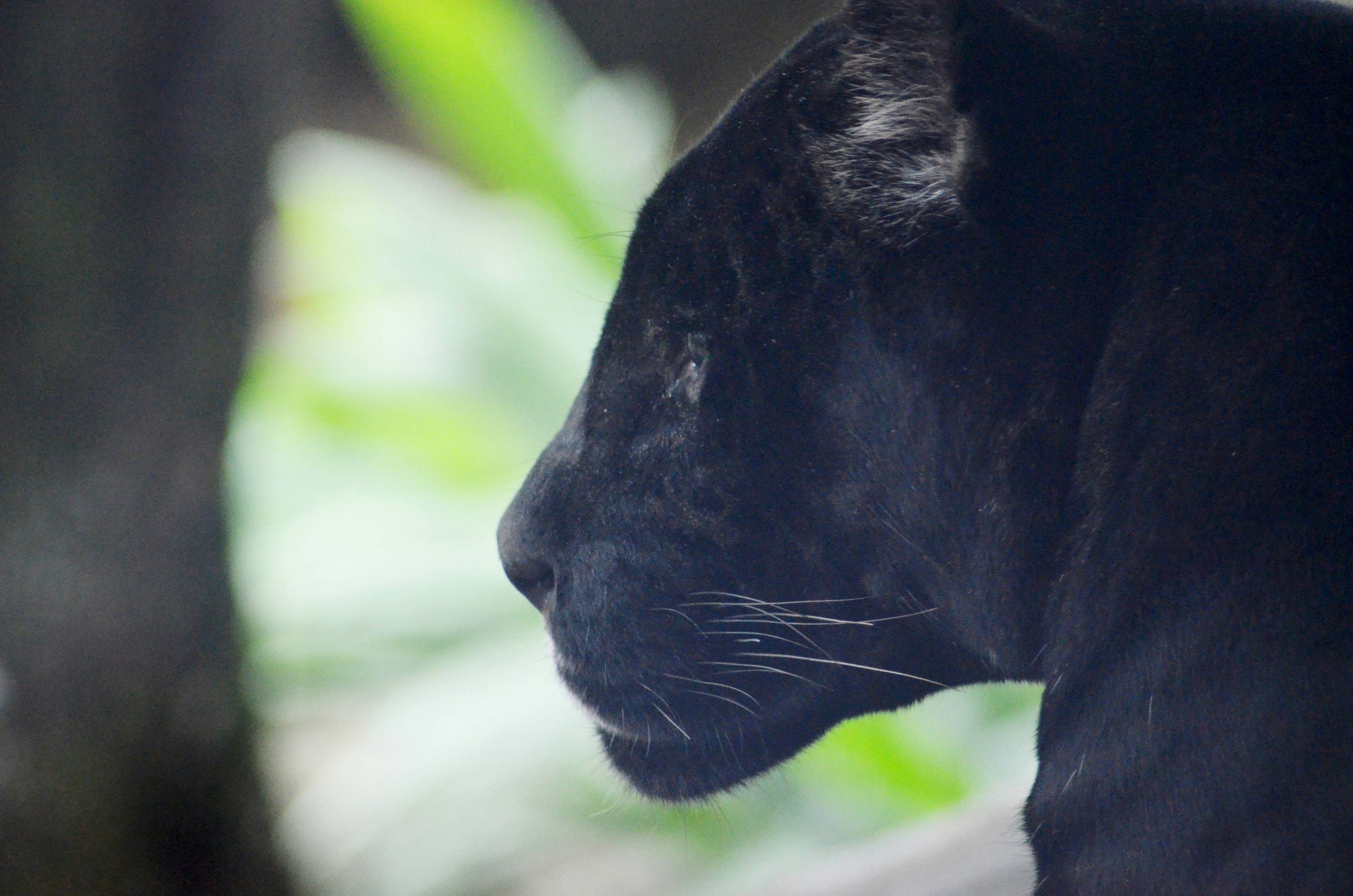
The black panther, known for its enigmatic presence and striking appearance, holds a prominent place in both cultural narratives and the natural world. Throughout history, this majestic creature has been revered across various cultures, often embodying powerful attributes such as strength, beauty, and resilience. In numerous mythologies, the black panther is not just an animal, but a symbol of ferocity and mystique. For instance, in certain African traditions, this feline is associated with the spirit world, believed to be a guardian of secrets and a guide through the unknown. The reverence for the black panther extends to art and folklore, where it frequently appears as a motif representing nobility and power.
Artistic representations of black panthers can be seen in sculptures, paintings, and textiles, where they are depicted as agile and regal beings. Their striking coat—characterized by a deep, dark pigmentation—often elicits a sense of awe and fascination, reinforcing their status as a cultural icon. In certain Native American cultures, the black panther is considered a symbol of protection and a totem of courage, embodying the traits valued by warriors and leaders.
In terms of nature, the biology of the black panther, which is actually a melanistic variant of big cats such as leopards and jaguars, adds to its allure. The unique genetic makeup that causes their dark coloring not only provides them with an advantage in hunting at night but also highlights the incredible diversity that exists within the animal kingdom. Their physical attributes—muscular build, heightened agility, and keen eyesight—allow them to adapt to a variety of environments, from dense jungles to open savannas. This adaptability further emphasizes the black panther’s significance not just as a creature of cultural lore, but as a vital part of the ecosystems they inhabit.
Unveiling the Rare Images of Black Panthers
Black panthers, known for their striking appearance and elusive nature, have captivated the imaginations of photographers and artists alike. Although the term ‘black panther’ refers to various big cats with melanistic traits, including leopards and jaguars, these magnificent creatures pose significant challenges for visual documentation. Rare images capturing their essence often showcase the black panther’s stunning coat and the sharp contrast of its piercing eyes against the surrounding foliage.
The historical context of these images varies widely, reflecting both artistic endeavors and conservation efforts. In the 20th century, photographers faced considerable technical difficulties in capturing these nocturnal predators. With a penchant for hiding in dense forests or scaling high terrain, black panthers are notoriously hard to photograph in their natural habitat. Various techniques, including the use of remote cameras and sound lures, represent the innovative approaches taken by wildlife photographers to increase their chances of capturing this elusive feline.
Artists have also contributed significantly to the visual legacy of the black panther. From the fluid brushstrokes in paintings to detailed sketches, each artwork encapsulates the beauty and grace of these animals. The endeavor to depict a black panther accurately raises the challenge of balancing artistic interpretation with realism. The choice of colors and the representations of light can drastically alter how the intricate patterns of a black panther’s fur are perceived, often highlighting its enigmatic aura.
The rarity of both photographs and artistic renditions reinforces the black panther’s status as a symbol of power and mystery in various cultures. By honoring these artworks and images, we preserve stories that emphasize the delicate interplay between human skill and the natural kingdom’s elusive forces, ultimately shining a light on the ongoing efforts for wildlife conservation.
A Unique Encounter: The Story Behind a Rare Sighting
In the heart of a dense forest during an early summer morning, a group of wildlife enthusiasts embarked on a journey, eager to witness the beauty of nature in its rawest form. Little did they know that this day would etch an unforgettable memory in their minds—the rare and fleeting sighting of a black panther.
As the sun began to rise, casting its warm glow over the landscape, the group ventured into a clearing, their senses heightened by the sounds of rustling leaves and birdsong. Suddenly, a profound stillness enveloped the area. The group exchanged puzzled glances, sensing that something extraordinary was about to unfold. Then, from the shadows, a magnificent black panther emerged, its sleek coat glistening in the sunlight. The sight was breathtaking, as the creature moved with a fluid grace that seemed ethereal.
Emotions surged through the onlookers; awe filled the air as they witnessed this symbol of mystery and power. The black panther paused, eyes piercing through the foliage, and for a moment, it appeared to be aware of its audience. This connection transcended words, as the participants found themselves held captive by the presence of this elusive feline. The experience was not merely a visual encounter; it was a reminder of the wildness and beauty that exists beyond human reach.
This rare sighting ignited conversations around the campfire that evening, as participants shared their thoughts on the importance of conservation efforts. The black panther represented not only a fleeting glimpse of nature’s majesty but also a call to action to protect the habitats of such rare species. In reliving the emotions of this encounter, the group recognized that moments like this are fleeting and should be cherished, emphasizing the significance of preservation for future generations.
Conservation Efforts and the Future of Black Panthers
Black panthers, often referred to as melanistic leopards and jaguars, represent not only a significant ecological asset but also a cultural symbol. As their habitats continue to face threats from human activities, effective conservation efforts are crucial to ensuring their survival. Various organizations are actively engaged in initiatives aimed at protecting these magnificent creatures and their environments.
Organizations such as the World Wildlife Fund (WWF) and Panthera are at the forefront of conservation efforts. They focus on habitat preservation, anti-poaching initiatives, and community education. These organizations work tirelessly to create protected areas where black panthers can thrive, away from the encroachment of urban development and agricultural expansion. Protecting large landscapes is essential for maintaining the genetically diverse populations necessary for their survival.
However, many challenges impede these conservation efforts. Habitat loss due to deforestation, infrastructure development, and climate change compels black panthers into smaller, less viable territories. In addition, poaching and illegal wildlife trade pose significant threats, as demand for their skins and body parts persists in certain regions. Moreover, conflict between humans and wildlife emerges as an area of concern, where livestock predation can lead to retaliatory killings of these animals.
Individuals play an essential role in protecting black panther populations. By supporting reputable wildlife organizations, advocating for sustainable practices, and spreading awareness about the importance of biodiversity, each person can contribute to the conservation of these iconic animals. Additionally, volunteering time or resources to local conservation projects helps reinforce protective measures and fosters a sense of community commitment towards wildlife preservation.
In conclusion, the preservation of black panthers is a collective responsibility that necessitates coordinated efforts on various fronts. By fostering awareness and engaging in action, we can help safeguard the future of these remarkable creatures and ensure that they remain part of our natural heritage.